The Unvarnished Truth: An Olympian's Public Plea for Forgiveness
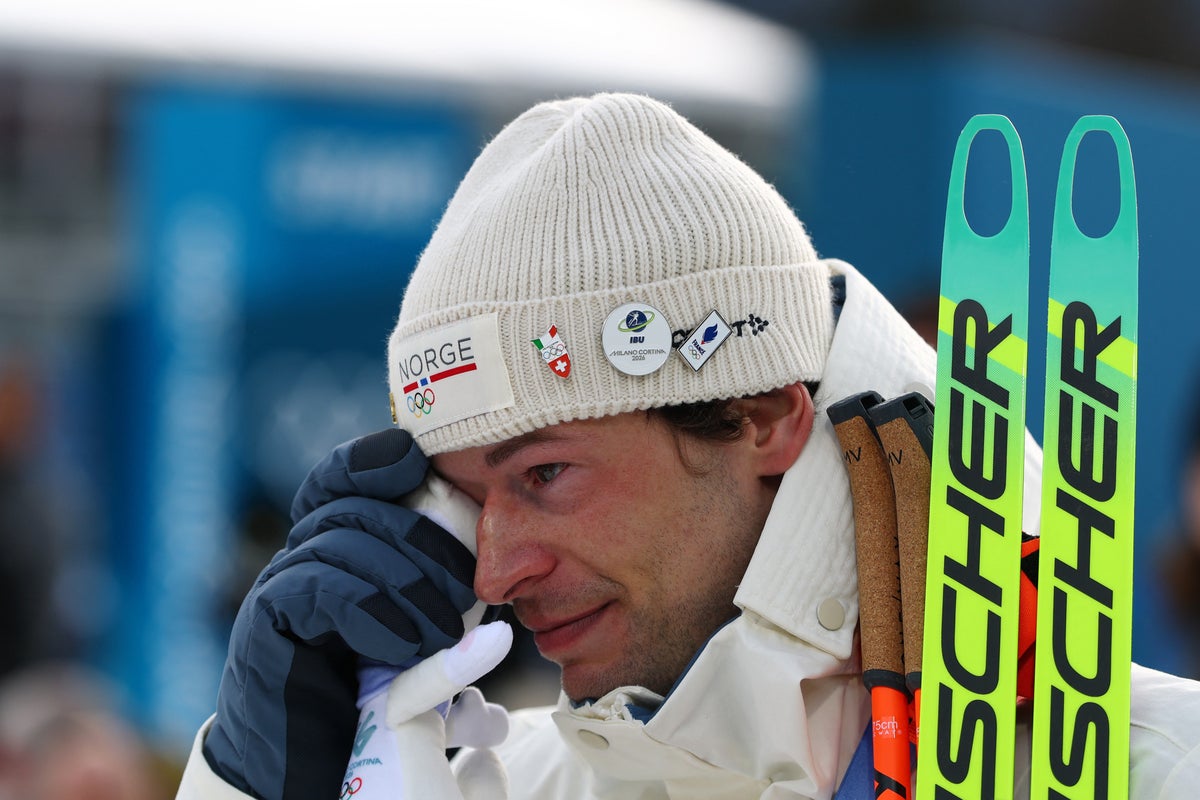
The world of elite sports often presents a veneer of perfection – peak physical condition, mental fortitude, and unwavering focus on victory. Yet, behind the medals and the glory, athletes are complex individuals grappling with very human struggles. This reality was laid bare in a profoundly raw and tearful confession by Norwegian biathlete Sturla Holm Laegreid. Moments after securing a bronze medal at the Winter Olympics, Laegreid delivered a statement that shocked the sporting world, revealing he had cheated on his girlfriend.
In an emotionally charged interview with Norwegian state broadcaster NRK, the 28-year-old Olympic medalist, whose focus should have been on his athletic triumph, instead opened his heart about a deeply personal failing. “Six months ago, I met the love of my life — the most beautiful, nicest person in the world. And three months ago, I made the biggest mistake of my life and cheated on her,” Laegreid confessed, his voice thick with emotion. He went on to describe the immense pain of the past week, having only recently told his girlfriend about his infidelity. “I told her about it a week ago. It’s been the worst week of my life.”
This Olympian Laegreid's Tearful Cheating Confession After Medal wasn't just a private moment; it was a public act of contrition, a desperate plea for understanding and a path towards potential reconciliation. Laegreid articulated his motivation with stark honesty: “My only way to solve it is to tell everything and put everything on the table, and hope that she can still love me. I’ve done that for her, and now for the whole world. I have nothing to lose.” His vulnerability captivated audiences, transforming a moment of athletic success into a profound discussion about personal integrity, love, and the difficult journey of redemption.
Beyond the Bronze: The "Gold Medal" of a Relationship
What makes Laegreid's confession particularly poignant is the stark contrast between his Olympic achievement and his personal turmoil. While holding a hard-won bronze medal, he declared that his girlfriend was the true "gold medal" in his life. “I had a gold medal in my life, and there are probably many who look at me with different eyes, but I only have eyes for her,” he stated, likening her value to the pinnacle of athletic success.
This statement transcends the immediate scandal, offering a powerful reflection on what truly matters in life. For many, professional achievements, recognition, and material success are often pursued as ultimate goals. Yet, Laegreid's heartfelt declaration underscores a universal truth: the depth and quality of our personal relationships often far outweigh any external accolades. His words suggest a profound re-evaluation of priorities, where the love and trust of his partner eclipse the glory of an Olympic medal. This perspective highlights a theme frequently explored in various forms of media and personal narratives, where Laegreid: Cheating Confession Puts Love Over Olympic Glory becomes a powerful, undeniable truth.
In a world often obsessed with winning, Laegreid's confession serves as a powerful reminder that true wealth lies in the bonds we forge and the love we nurture. His willingness to sacrifice his public image for a chance at personal reconciliation speaks volumes about the value he places on his relationship. It’s a testament to the idea that some things are genuinely priceless, and once squandered, their recovery demands immense courage and effort.
Navigating the Aftermath: Steps Towards Reconciliation and Healing
Laegreid's public confession is merely the first step on what promises to be an arduous journey towards potential reconciliation. Infidelity deeply wounds relationships, eroding trust and causing immense pain. While his transparency is a crucial starting point, rebuilding what was broken requires sustained effort from both partners. For couples facing a similar crisis, here are some critical steps and considerations:
- Full Transparency and Honesty: As Laegreid demonstrated, withholding details only prolongs the healing process. The unfaithful partner must be willing to answer all questions honestly, even if painful.
- Taking Full Responsibility: Blaming the other partner or external circumstances prevents genuine apology and change. The cheating partner must acknowledge their actions were wrong and own the hurt they caused.
- Understanding the Root Cause: While not an excuse, exploring the underlying reasons for the infidelity (e.g., dissatisfaction, loneliness, mental health issues, impulse control) can provide insight and help prevent future occurrences.
- Empathy for the Betrayed Partner: The unfaithful partner must acknowledge and validate the pain, anger, and betrayal experienced by their partner, offering comfort and patience.
- Establishing Boundaries and Rebuilding Trust: This often involves increased accountability, open communication, and potentially limiting contact with individuals related to the infidelity. Rebuilding trust takes time and consistent, trustworthy actions.
- Patience and Persistence: Healing is not linear. There will be good days and bad days. Both partners must commit to the process, understanding that forgiveness and reconciliation are not guaranteed and can take months or even years.
- Professional Guidance: Couples therapy or individual counseling can provide a safe space to process emotions, improve communication, and develop strategies for moving forward. A therapist can help navigate the complex emotional landscape and mediate difficult conversations.
Laegreid's public admission, while dramatic, signals a commitment to transparency that is foundational to rebuilding trust. However, the true test will be in the private moments, the ongoing conversations, and the consistent actions that follow.
The Broader Context: Mental Health, Pressure, and Public Scrutiny
It's vital to consider the immense pressure Laegreid was under, both personally and professionally, which might have contributed to his state of mind. The biathlon combines the physical demands of cross-country skiing with the precise skill of rifle shooting, requiring extraordinary mental and physical discipline. Competing at the Olympics adds another layer of intense global scrutiny and expectation.
Adding to this immense pressure, Laegreid mentioned that he was not "mentally here" and alluded to the recent death of his teammate, Sivert Guttorm Bakken, in December of the previous year. Grief, especially when combined with the relentless demands of elite sport, can profoundly impact an individual's judgment, emotional regulation, and overall mental well-being. Laegreid himself later questioned the timing and nature of his public confession, wondering if it was "selfish" given his mental state.
This incident throws a spotlight on the often-overlooked mental health challenges faced by elite athletes. While they are celebrated for their physical prowess, their emotional and psychological vulnerabilities are often under-addressed. The expectation to perform flawlessly, coupled with personal struggles and public scrutiny, can create a toxic environment. Laegreid's case highlights the need for greater awareness and support systems for athletes, ensuring they have access to mental health resources that can help them navigate both triumphs and personal crises with resilience.
Ultimately, Laegreid’s confession transcended a mere admission of guilt; it became a humanizing moment, reminding us that even those at the pinnacle of their professions are susceptible to making profound mistakes and grappling with complex emotions under immense pressure.
Conclusion
Sturla Holm Laegreid's raw confession after winning an Olympic bronze medal is a powerful testament to the complexity of human experience, where moments of public glory can intertwine with deep personal turmoil. His courageous decision to publicly admit his infidelity and express his profound regret underscores the paramount importance of love, honesty, and personal integrity over fleeting professional success. While the path to reconciliation for Laegreid and his girlfriend will undoubtedly be challenging and protracted, his initial act of vulnerability offers a glimmer of hope. It reminds us that forgiveness, though never guaranteed, begins with acknowledging mistakes, taking responsibility, and demonstrating a genuine commitment to healing. His story serves as a poignant reminder that true victory often lies not in the medals we win, but in the strength of the bonds we cherish and the courage we show in confronting our deepest failures.