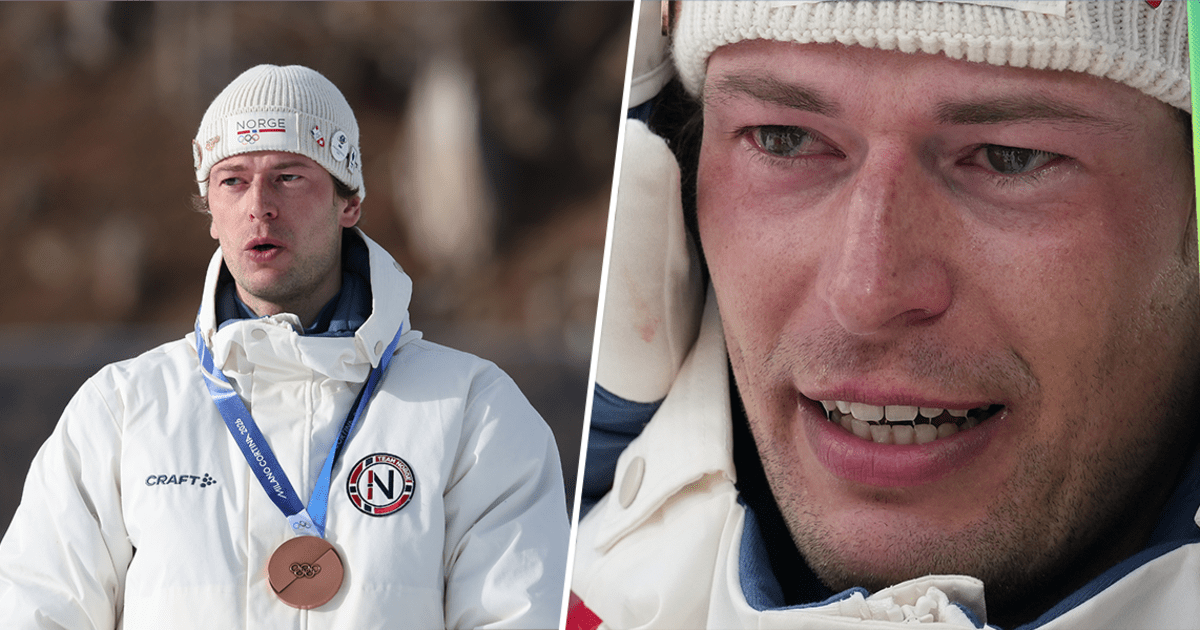
Olympic Bronze, Personal Confession: Laegreid's Heart-Wrenching Revelation
In a moment that starkly juxtaposed athletic triumph with profound personal turmoil, Norwegian biathlete Sturla Holm Laegreid delivered a confession that stunned the world. Fresh from securing a bronze medal at the Winter Olympics, the 28-year-old Olympian chose the live television spotlight not to celebrate his achievement, but to reveal a deeply personal secret: he had cheated on his girlfriend. This raw, tearful admission, delivered to Norwegian state broadcaster NRK, immediately transformed a story of Olympic glory into a poignant narrative of regret and the desperate hope for forgiveness. It was a stark reminder that even figures achieving peak athletic performance are grappling with very human struggles, pulling back the curtain on the private life of an
Olympian who confesses to cheating on his girlfriend.
The scene was unforgettable. Moments after crossing the finish line in the demanding biathlon, a sport combining cross-country skiing and rifle shooting, Laegreid stood before the cameras, his emotions clearly visible. Tears streamed down his face as he began to speak, not about his race strategy or the grueling competition, but about a love lost and a mistake made. "Six months ago, I met the love of my life — the most beautiful, nicest person in the world. And three months ago, I made the biggest mistake of my life and cheated on her," Laegreid shared, his voice heavy with remorse. He revealed he had confessed to her only a week prior, describing it as "the worst week of my life." This agonizing honesty, coming immediately after such a high-stakes competition, painted a vivid picture of a man wrestling with an immense burden. The emotional weight of his confession was further compounded by the recent, tragic death of his teammate, Sivert Guttorm Bakken, adding another layer of grief and mental strain to Laegreid's already turbulent internal landscape.
The Weight of a Secret: Why Laegreid Chose Public Confession
Laegreid's decision to confess publicly, in such a vulnerable and unfiltered manner, sparked widespread discussion. What compels an individual, especially a public figure, to lay bare such a deeply personal and potentially damaging secret on a global stage? For Laegreid, it appeared to be an act born of desperation and an intense yearning for reconciliation. He articulated his rationale with stark clarity: "My only way to solve it is to tell everything and put everything on the table, and hope that she can still love me. I’ve done that for her, and now for the whole world. I have nothing to lose." This statement suggests a profound internal conflict, where the desire for honesty and the hope of saving his relationship outweighed any concern for his public image or professional standing.
Psychologically, such a public confession can be seen as an ultimate act of accountability, an attempt to externalize an unbearable internal pressure. By revealing his transgression to the world, Laegreid effectively made it impossible to retreat or deny. It was a plea for understanding, a public declaration of remorse, and perhaps, a strategy to force a confrontation with the gravity of his actions. In a world where public figures often attempt to conceal personal failings, Laegreid’s raw honesty was both shocking and, for some, admirable. It highlighted the immense emotional toll a secret can take, particularly on someone in the public eye. For more on the emotional depth of his confession, you can read
Olympian Laegreid's Tearful Cheating Confession After Medal.
Beyond the Podium: Love as the Ultimate Gold Medal
Perhaps the most striking aspect of Laegreid's interview was his eloquent declaration of love for his girlfriend, elevating her importance far beyond any Olympic accolade. He famously likened her to the very hardware he was pursuing, stating, "I had a gold medal in my life, and there are probably many who look at me with different eyes, but I only have eyes for her." This powerful metaphor underscores a fundamental truth often forgotten in the relentless pursuit of achievement: that personal connections and love can be far more valuable than any external success. For Laegreid, the bronze medal, a pinnacle of athletic achievement for many, paled in comparison to the "gold medal" he felt he had squandered in his personal life.
His words resonated deeply because they transcended the typical narrative of an athlete's triumph. They spoke to the universal human experience of making mistakes, experiencing regret, and valuing love above all else. In that moment, the identity of "Olympic medalist" faded, replaced by that of a heartbroken man desperately hoping for a second chance. His admission that "Sport has taken a slightly different place [in my life] the last few days. I wish I could share it with her" perfectly encapsulated his shifted priorities. It was a testament to the profound impact of his relationship, proving that for this
Olympian who confesses to cheating on his girlfriend, love was indeed the ultimate prize.
Navigating the Aftermath: Can Love Survive Public Betrayal?
Laegreid's public confession was merely the first step on what will undoubtedly be a challenging path toward potential reconciliation. Rebuilding trust after infidelity, especially when it's been exposed to the entire world, is an arduous journey. It requires immense commitment from both parties, profound remorse from the offending individual, and a willingness from the betrayed partner to potentially forgive and heal.
For Laegreid, demonstrating sustained regret and a genuine commitment to change will be crucial. This isn't a one-time apology; it's a long-term process. For his girlfriend, the decision to forgive or move on will be deeply personal and undoubtedly painful. The added layer of public scrutiny can either amplify the pressure or, perhaps, provide a shared context for understanding the gravity of the situation.
Here are some critical components typically involved in navigating such a crisis:
- Authentic Remorse: Beyond the initial confession, continuous demonstration of sorrow and understanding of the pain caused.
- Radical Honesty: Complete transparency about what happened, why it happened, and a willingness to answer all questions.
- Professional Support: Couples therapy or individual counseling can provide tools and a safe space to process emotions and rebuild communication.
- Patience and Time: Healing from betrayal is not instantaneous. It requires patience, empathy, and a willingness to endure discomfort.
- Commitment to Change: Concrete actions and behaviors that prove the individual is committed to never repeating the mistake.
Laegreid's raw vulnerability, as highlighted in
Sturla Laegreid's Raw Confession: Hope for Love after Cheating, suggests a genuine desire for this difficult journey. However, the outcome remains uncertain, resting entirely on the willingness of his girlfriend to engage in the process of healing and forgiveness.
The Human Side of Heroism: Lessons from Laegreid's Ordeal
Sturla Holm Laegreid's story is a powerful reminder that even those we elevate to heroic status are fallible human beings. The immense pressures of elite sports, coupled with personal challenges, can create a complex web of emotions and decisions. His confession peeled back the veneer of the invincible athlete, revealing a man grappling with guilt, regret, and a profound desire to mend a broken heart.
His ordeal offers several poignant lessons:
- Vulnerability as Strength: While difficult, Laegreid’s public vulnerability, though perhaps impulsive, showcased a desperate human plea that resonated with many.
- The Price of Secrecy: The "worst week of my life" highlights the destructive power of keeping a secret, demonstrating how it can overshadow even the highest achievements.
- Prioritizing Relationships: Laegreid’s declaration that his girlfriend was his "gold medal" serves as a powerful testament to the enduring value of human connection over fleeting success.
- The Imperfection of Idols: It humanizes public figures, reminding us that they, too, make mistakes, face moral dilemmas, and experience profound personal crises.
Ultimately, Laegreid's story forces us to look beyond the medals and accolades and consider the complex tapestry of human experience. It's a narrative about love, betrayal, regret, and the courageous, albeit painful, pursuit of redemption.
In conclusion, Sturla Holm Laegreid's post-medal confession was a moment of unprecedented honesty, revealing the intense personal cost of a profound mistake. As this
Olympian confesses to cheating on his girlfriend, his desperate hope for reconciliation underscored the universal human desire for love and forgiveness. While the outcome of his personal struggle remains to be seen, his story offers a compelling and vulnerable glimpse into the human side of heroism, proving that the pursuit of personal integrity and love can, at times, eclipse even the highest echelons of sporting glory.